Top Aquatic Weeds in California
| Species | Where It's Worst in CA | Status | Lead Agency |
|---|---|---|---|
| Water hyacinth | Sacramento–San Joaquin Delta | Established, controlled | CA DBW |
| Brazilian waterweed (Egeria densa) | Delta, Central Valley canals | Established, controlled | CA DBW |
| South American spongeplant (Limnobium laevigatum) | Delta | Established, controlled | CA DBW |
| Hydrilla | Clear Lake; isolated sites | Active eradication | CDFA |
| Eurasian watermilfoil | Delta, reservoirs | Established | CA DBW / locals |
| Giant salvinia | Southern CA — limited | Watch list | CDFA |
| Water lettuce | Delta tributaries | Established | CA DBW |
California Agencies — Who Does What
| Agency | Role | Primary Waters |
|---|---|---|
| CA Division of Boating and Waterways (DBW) | Lead control program for Delta aquatic weeds (water hyacinth, Egeria, spongeplant, etc.) | Sacramento–San Joaquin Delta and tributaries |
| CA Department of Food and Agriculture (CDFA) | Noxious-weed listing; hydrilla eradication program; pest exclusion at borders | Statewide |
| CA Department of Fish and Wildlife (CDFW) | Invasive species program; quagga/zebra mussel and aquatic-plant prevention; permits affecting waters and habitat | Statewide; CESA-listed species & habitat |
| State Water Resources Control Board (SWRCB) | NPDES aquatic pesticide permits under the Clean Water Act | All waters of the state |
| CA Department of Pesticide Regulation (DPR) | Pesticide product registration, licensing, use enforcement | Statewide |
The Sacramento–San Joaquin Delta — Key Facts
- The Delta covers roughly 1,100 square miles and is part of the watershed that supplies drinking water to more than 25 million Californians via the State Water Project and Central Valley Project.
- Water hyacinth and Brazilian waterweed have been actively managed in the Delta since the 1980s.
- California DBW operates one of the largest aquatic-weed control programs in the United States, with mechanical, biological, and chemical components.
- Aquatic weeds in the Delta interfere with water exports, recreation, native salmon migration corridors, and endangered Delta smelt habitat.
Clear Lake & California Hydrilla Eradication
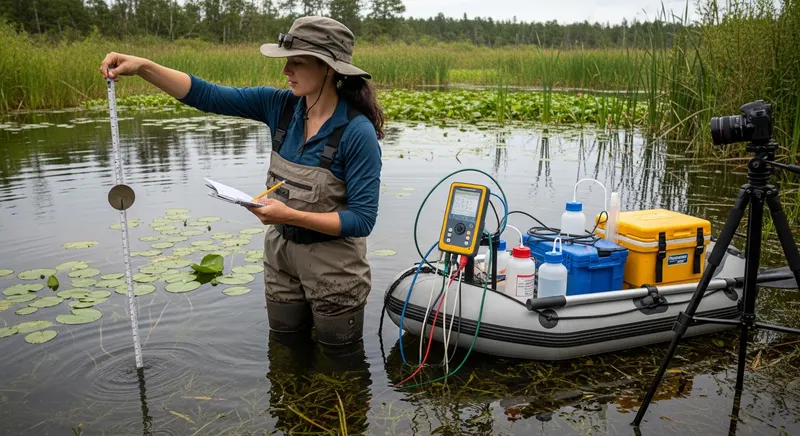
- Hydrilla was first detected at Clear Lake (Lake County) in 1994.
- The Clear Lake Hydrilla Eradication Project, led by CDFA, is one of the longest-running aquatic-plant eradication programs in the U.S.
- The program combines systematic surveys, contact and systemic herbicide treatments, and follow-up monitoring across the full lake.
Related Resources on AquaticWeed.org
Ten-Year Lake Management Plan: Lake Wingra, WI
Lake Wingra, a 342-acre urban lake in Madison, WI, developed a comprehensive 10-year management plan coordinating the City of Madison, University of Wisconsin, and adjacent neighborhood associations. The plan addressed Eurasian watermilfoil, curly-leaf pondweed, and purple loosestrife through an integrated approach including targeted herbicide treatment, mechanical harvesting, native plant restoration, and public education.
Key outcome: The structured multi-agency planning process secured consistent funding across multiple budget cycles, a key advantage over ad hoc management. Native plant restoration efforts showed measurable progress in designated restoration zones within three years of initiation.
- California Division of Boating and Waterways — Aquatic Invasive Plant Control Program https://dbw.parks.ca.gov/?page_id=28983
- California Department of Food and Agriculture — Hydrilla Eradication Program https://www.cdfa.ca.gov/plant/IPC/hydrilla/
- California Department of Fish and Wildlife — Invasive Species Program https://wildlife.ca.gov/Conservation/Invasives
- State Water Resources Control Board — Aquatic Pesticides NPDES Permit https://www.waterboards.ca.gov/water_issues/programs/npdes/pesticides/
- U.S. Geological Survey — Nonindigenous Aquatic Species Database https://nas.er.usgs.gov/
We used the integrated management framework from this site to structure our Eurasian watermilfoil control program. After three seasons we've reduced lake-wide coverage by 78% on our 340-acre water body.
Susan Thibodeau Lake District Manager, MN · Crow Wing CountyThe seasonal timing guidance has been invaluable. Treating at the right growth stage cut our herbicide costs by nearly 30% without sacrificing efficacy on our county-managed reservoir.
Dale Buchanan County Parks Director, MI · Kalamazoo County