What You'll Find in This Section
- Aquatic Weed Facts — quotable facts about aquatic plant biology, ecology, growth rates, and the most problematic species in U.S. waters.
- Invasive Aquatic Plants — federal noxious weed listings, top invasive species, and regulatory background.
- California Aquatic Weeds — California-specific species, the Sacramento–San Joaquin Delta, and state agency roles.
- Aquatic Weed Statistics — sourced economic, ecological, and management statistics for charts and infographics.
- Lake & Pond Management Facts — facts about treatment costs, monitoring, and best management practices.
How to Cite AquaticWeed.org
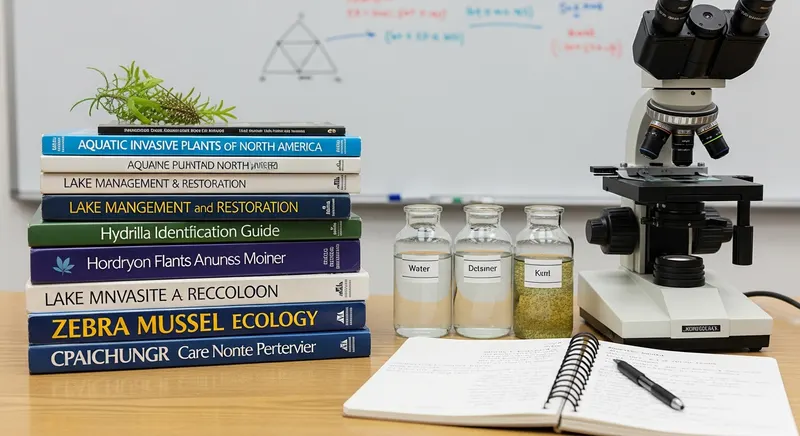
AquaticWeed.org content is freely citable for editorial, academic, and educational use. Recommended citation:
AquaticWeed.org. "[Page Title]." Retrieved from [URL]. Accessed [date].
When citing a specific statistic, please also retain the link to the primary source listed in our References block on the page.
Editorial Standards
AquaticWeed.org content is developed and reviewed by aquatic ecologists and certified lake management professionals. All quantitative claims trace to federal databases (USGS NAS, USDA APHIS, U.S. EPA, USACE APIS), state agency reports, or peer-reviewed literature. See our editorial policy and methodology for full review procedures.
Press Inquiries
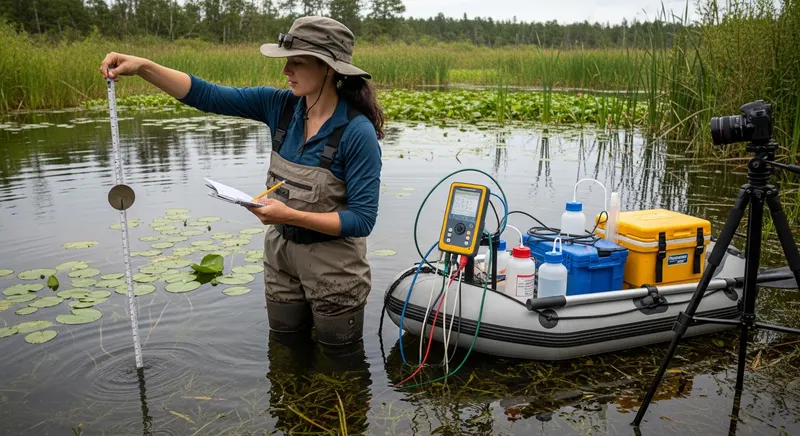
For interviews, technical clarification, expert commentary, or to request additional data not currently published on the site, please reach our editorial team via the contact page. We aim to respond to media inquiries within two business days.
Ten-Year Lake Management Plan: Lake Wingra, WI
Lake Wingra, a 342-acre urban lake in Madison, WI, developed a comprehensive 10-year management plan coordinating the City of Madison, University of Wisconsin, and adjacent neighborhood associations. The plan addressed Eurasian watermilfoil, curly-leaf pondweed, and purple loosestrife through an integrated approach including targeted herbicide treatment, mechanical harvesting, native plant restoration, and public education.
Key outcome: The structured multi-agency planning process secured consistent funding across multiple budget cycles, a key advantage over ad hoc management. Native plant restoration efforts showed measurable progress in designated restoration zones within three years of initiation.
- U.S. Geological Survey — Nonindigenous Aquatic Species Database https://nas.er.usgs.gov/
- U.S. Army Corps of Engineers — Aquatic Plant Information System (APIS) https://apis.erdc.dren.mil/
- USDA APHIS — Federal Noxious Weed List https://www.aphis.usda.gov/plant-pests-diseases/weeds/noxious
- U.S. EPA — Aquatic Pesticide Use & NPDES Permits https://www.epa.gov/npdes/pesticide-permitting
As a lakefront property owner I was completely lost until I found AquaticWeed.org. The permit guidance alone saved me from making costly, potentially illegal treatment mistakes.
Gerald Renfrew Lakefront Landowner, WI · Vilas CountyI've managed aquatic vegetation on Texas reservoirs for 15 years. The water hyacinth control content here is the most up-to-date, practical guidance I've found anywhere online.
Travis McKinley Commercial Fishing Guide, TX · Lake Travis / Lake Austin