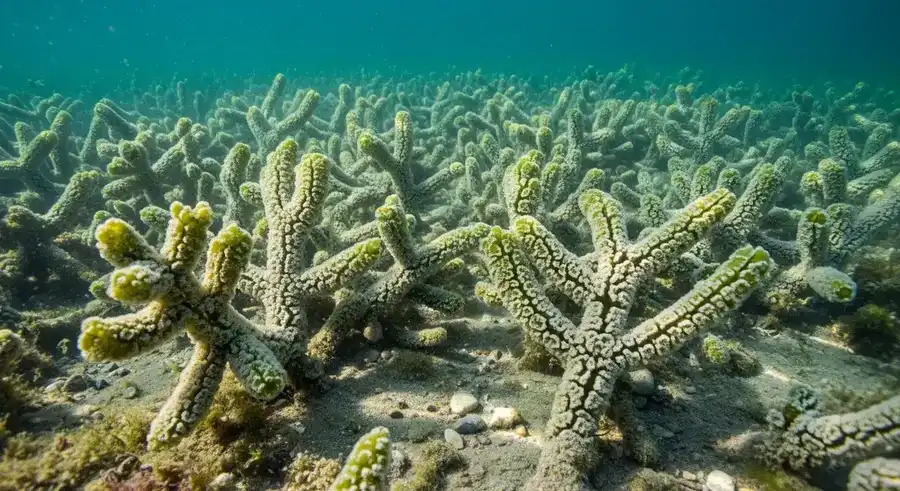
Two Charophytes — One Smells, One Doesn't
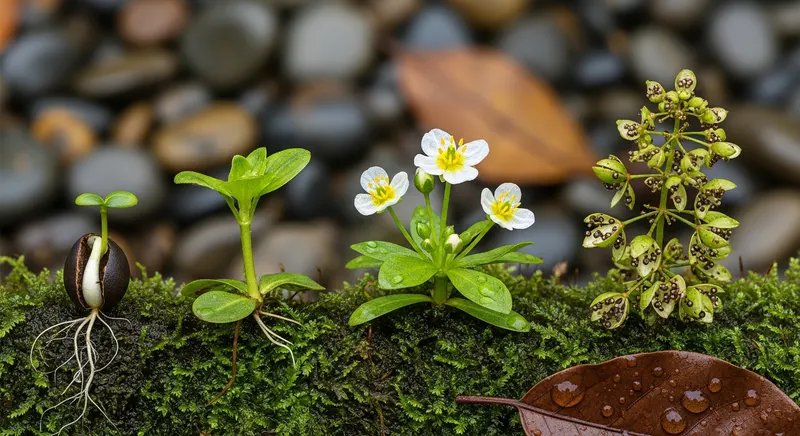
Chara and Nitella are the two principal genera of charophyte algae (class Charophyceae) encountered in freshwater lake management across North America. They are closely related — both are complex, multicellular, plant-like algae that grow upright from the sediment with whorled branchlets, anchor via rhizoids, and occupy similar habitats. For most practical management purposes, they are treated similarly: both can reach nuisance density in some situations, both are ecologically valuable water quality indicators in clean water systems, and both are managed using the same herbicide and mechanical approaches. The distinction between them matters primarily for water quality assessments (where their different preferences indicate different lake conditions), ecological surveys, and academic study.
From a field identification standpoint, the distinction is quick and reliable — the garlic odor test alone separates the genera in virtually all cases.
The Primary Identification Test: The Odor Test
Crush a branchlet (a "leaf" segment) between your fingers and smell. Chara: distinct garlic or skunk-like odor. Nitella: little or no odor — it may smell slightly green or plant-like, but not like garlic. This test is fast, reliable, and requires no equipment. It correctly separates the two genera in essentially all situations where you encounter them.
Visual Differences
Texture and Encrustation
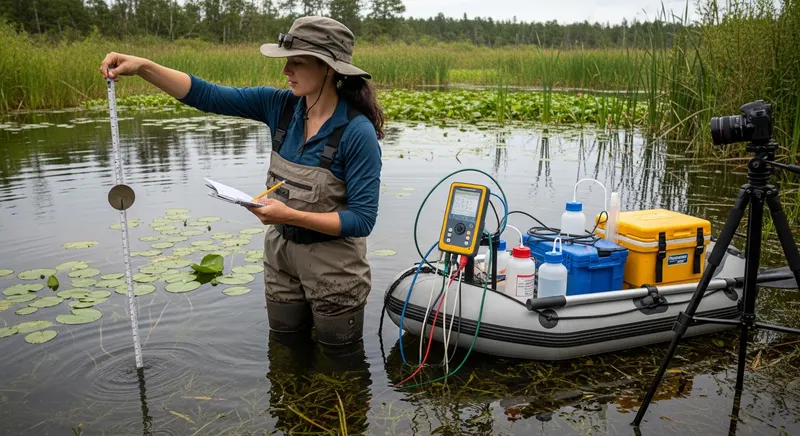
Chara is typically calcium-encrusted — its surface deposits calcium carbonate (lime) from hard water, making it feel rough, gritty, and giving it a gray-white or pale green appearance rather than bright green. Nitella is typically smoother and brighter green — less calcium encrustation, giving a more translucent, shiny appearance. The texture difference is obvious in hard-water lakes (where chara is calcium-encrusted and whitish while nitella is bright green), but may be less obvious in soft-water lakes where chara is less encrusted.
Branchlet Structure
Chara branchlets (the "leaf" whorls) are divided into cylindrical cells with a defined structure — each branchlet has a specific number of segments (cells) that is taxonomically consistent within a species. The branchlets feel stiff and rough in Chara. Nitella branchlets are typically more delicate, smoother, and often deeply forked (bifurcated) at the tips — the terminal segments are often divided into finer, star-like clusters. This tip-forking in Nitella is a useful supplemental feature, though it requires observation with a hand lens at minimum.
Color
In the field, Chara typically appears grayish-green, whitish-gray, or pale olive due to calcium encrustation. Nitella typically appears bright, translucent green. This color difference is immediately obvious in most situations and provides a quick initial guidance before performing the odor test for confirmation.
Ecological Differences
Water Quality Preferences
Chara typically prefers and tolerates hard, alkaline, calcium-rich water better than Nitella. Both prefer clear, low-nutrient (oligotrophic to mesotrophic) water and both are considered water quality indicators. However, Nitella is more common in softer, slightly more acidic water than Chara. In very hard, highly alkaline lakes, Chara dominates. In somewhat softer, humic lakes, Nitella may co-dominate or replace Chara. Both are indicators of relatively good water quality (moderate to low nutrients, reasonable water clarity), though some chara species tolerate higher nutrient levels than typically credited.
Depth Distribution
Both genera can grow to considerable depths in clear water — reported maximum depths for healthy charophyte beds are 25+ meters in exceptionally clear alpine lakes. At typical recreational lake depths, both grow from shallow water (0.5 meters) to the light compensation depth where photosynthesis equals respiration (often 3–8 meters depending on water clarity). Chara often forms the dominant vegetation at the deepest margin of the plant community in clear lakes, and the maximum depth of chara beds is sometimes used as a proxy for water clarity (Secchi depth × 2 approximates chara maximum depth in some lake systems).
Management Considerations
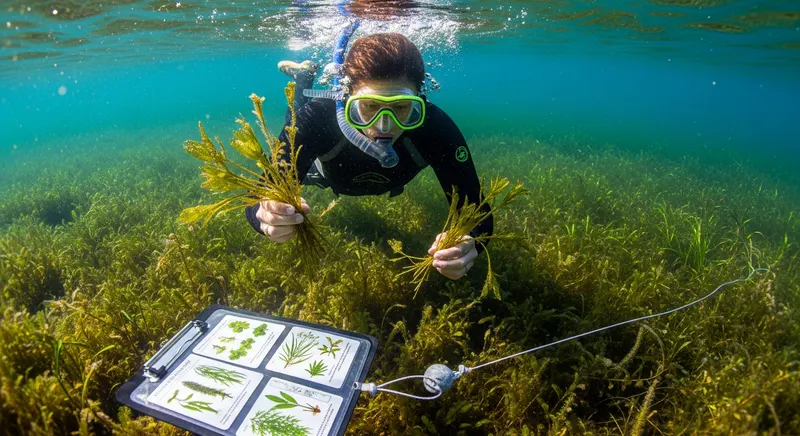
For most management purposes, Chara and Nitella are managed identically. The ecological value of both (as water quality indicators and habitat components) argues for the same management philosophy: protect in oligotrophic and mesotrophic lakes where they indicate good water quality; manage selectively in eutrophic ponds where they reach nuisance density through excess nutrients. Both respond to the same herbicide treatments (copper-based algicides at appropriate concentrations). For complete management guidance applicable to both, see chara control methods.
References
- Wood, R.D. & Imahori, K. (1965). A Revision of the Characeae. Cramer, Weinheim.
- van den Berg, M.S. (1999). Charophyte colonization in shallow lakes. Freshwater Biology 42:487–499.
Whole-Lake Hydrilla Management: Lake Tohopekaliga, FL
Lake Tohopekaliga ("Lake Toho"), a 22,700-acre Central Florida lake, has sustained one of the most intensively managed hydrilla programs in the U.S. since the 1990s. Annual fluridone treatments combined with targeted mechanical harvesting in high-use recreational areas have maintained hydrilla coverage below nuisance thresholds while preserving native submersed vegetation communities in designated littoral zones.
Key outcome: Multi-decade integrated program demonstrates that hydrilla can be managed at acceptable levels in large water bodies, but requires sustained annual investment and coordinated agency cooperation across FDEP, SFWMD, and local fisheries managers.
As a lakefront property owner I was completely lost until I found AquaticWeed.org. The permit guidance alone saved me from making costly, potentially illegal treatment mistakes.
Gerald Renfrew Lakefront Landowner, WI · Vilas CountyI've managed aquatic vegetation on Texas reservoirs for 15 years. The water hyacinth control content here is the most up-to-date, practical guidance I've found anywhere online.
Travis McKinley Commercial Fishing Guide, TX · Lake Travis / Lake Austin