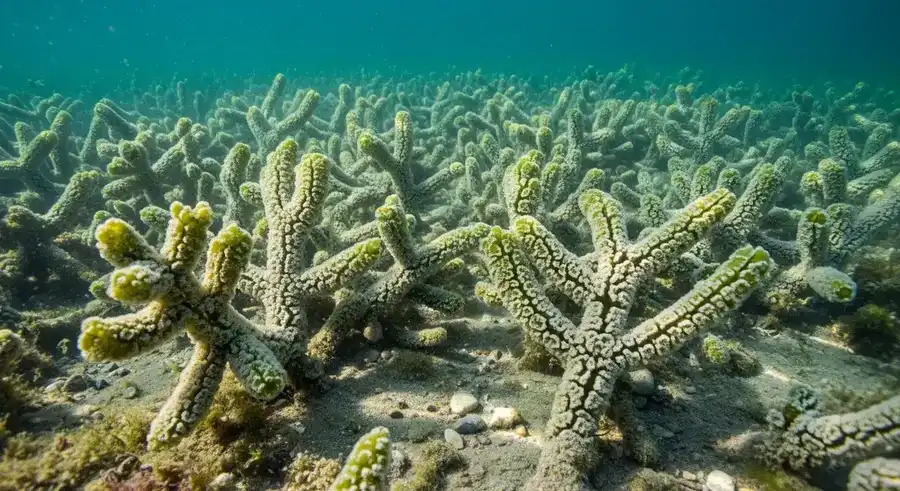
Should You Control Chara?
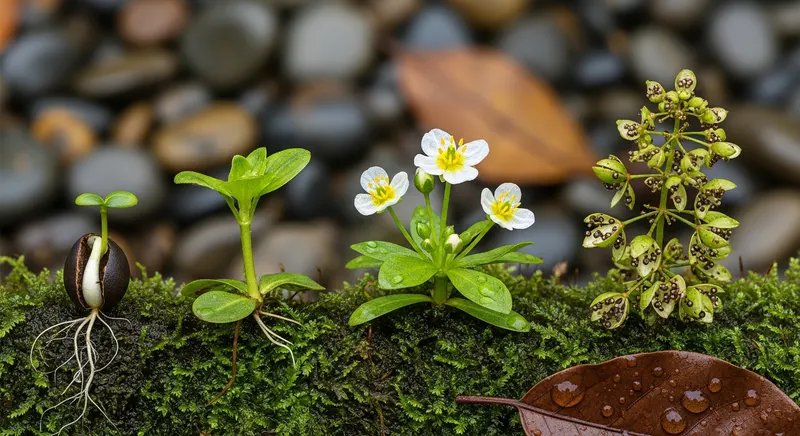
The decision to manage chara requires careful ecological evaluation. Chara is an ecologically valuable organism in clear, nutrient-poor water bodies — it indicates good water quality, stabilizes sediment, supports waterfowl, and suppresses algae. In these settings, chara should be protected, not managed. Management of chara is appropriate primarily in eutrophic or enriched water bodies where chara has reached nuisance density — most commonly in shallow ornamental ponds, golf course water features, stormwater basins, and enriched farm ponds. In these settings, chara's ecological value as a water quality indicator has already been compromised, and management to address recreational or aesthetic concerns is reasonable.
Before treating chara in any water body, answer: Does this water body have oligotrophic or mesotrophic water quality? If yes, chara is a water quality indicator and its management is likely to do more ecological harm than the chara itself — address the underlying causes of any growth concerns instead of managing the plant. Is this a eutrophic, nutrient-enriched water body where chara is growing to objectionable density? If yes, management may be warranted, but always as part of a larger plan that addresses the nutrient inputs driving excessive growth. Contact your state DNR before applying any treatment.
Permits Required: Even treatments for algae and charophytes may require permits from your state's department of natural resources. Contact your state agency before applying any copper-based or other aquatic treatment to chara.
Copper-Based Algicides
Because chara is technically an alga (not a vascular plant), copper-based algicides are the most commonly used treatment, rather than the herbicides used for true aquatic plants. Copper disrupts photosynthetic electron transport in algae, causing rapid cell death.
Copper Sulfate
Copper sulfate pentahydrate (applied as granules or dissolved in water) is the oldest and most widely used copper treatment. It is effective against chara at low concentrations (0.1–1.0 mg/L as copper, depending on water chemistry). Water hardness (total alkalinity) determines the appropriate copper concentration — in soft water, copper is more toxic to algae (and to fish, requiring more careful concentration control); in hard water, copper precipitates as copper carbonate and is less bioavailable, requiring higher concentrations. Hard-water lakes with significant alkalinity (where chara is most common due to calcium encrustation) may require relatively higher copper concentrations for effective control.
Chelated Copper Products
Chelated copper formulations (copper complexed with organic chelating agents such as ethanolamine or triethanolamine) remain bioavailable at a wider range of water chemistry conditions than copper sulfate. They are particularly useful in hard water where copper sulfate precipitates rapidly. Chelated copper products often have longer residual activity and more consistent efficacy than copper sulfate. Several products (SeClear, Cutrine-Plus, Captain, others) are registered for use against chara and other algae in aquatic settings.
Application Timing
Treatment is most effective during active chara growth — spring through early summer (water temperatures 15–25°C). Treating during rapid active growth exposes the metabolically active organism to copper at the time of highest vulnerability. Avoid treating in very hot weather (>30°C) when dissolved oxygen may already be stressed and copper toxicity to non-target organisms increases.
Mechanical Removal
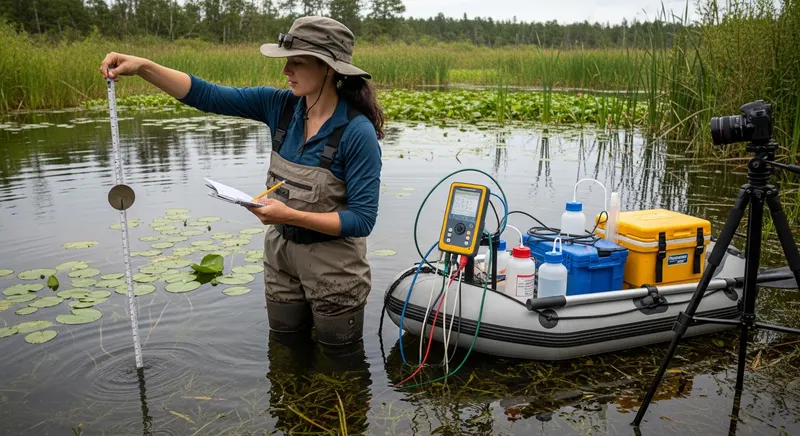
Hand raking or mechanical harvesting of chara is feasible in small water bodies and provides immediate visible improvement. Chara is loosely anchored by rhizoids and pulls away from the sediment relatively easily (compared to vascular plants). Collected material should be removed from the water and composted on land — chara on the shoreline will produce a strong odor as it dries and decomposes. Mechanical removal does not prevent regrowth — chara recolonizes from rhizoid fragments and from dormant oögonia in the sediment within one growing season. Mechanical removal is best combined with nutrient reduction for lasting results.
Nutrient Reduction: The Long-Term Solution
Dense chara growth in eutrophic water bodies is driven by elevated nutrients — primarily phosphorus and nitrogen. Nutrient reduction is the only management approach that provides sustainable long-term results. Without addressing nutrient inputs, chara or another nuisance organism (filamentous algae, vascular plants) will recolonize treated areas within weeks to months. Nutrient reduction strategies include: establishing buffer strips around the water body, reducing fertilizer applications in the watershed, managing stormwater inputs, and treating internal nutrient loading with alum in severely enriched basins. See how nutrients drive aquatic weed growth for background.
References
- Scheffer, M. (2004). Ecology of Shallow Lakes. Springer.
- Jensen, H.S., et al. (1990). Phosphorus cycling in a shallow, eutrophic lake. Hydrobiologia 192:105–118.
- Wisconsin DNR. Chara Management Guidance. dnr.wi.gov
Whole-Lake Hydrilla Management: Lake Tohopekaliga, FL
Lake Tohopekaliga ("Lake Toho"), a 22,700-acre Central Florida lake, has sustained one of the most intensively managed hydrilla programs in the U.S. since the 1990s. Annual fluridone treatments combined with targeted mechanical harvesting in high-use recreational areas have maintained hydrilla coverage below nuisance thresholds while preserving native submersed vegetation communities in designated littoral zones.
Key outcome: Multi-decade integrated program demonstrates that hydrilla can be managed at acceptable levels in large water bodies, but requires sustained annual investment and coordinated agency cooperation across FDEP, SFWMD, and local fisheries managers.
I've managed aquatic vegetation on Texas reservoirs for 15 years. The water hyacinth control content here is the most up-to-date, practical guidance I've found anywhere online.
Travis McKinley Commercial Fishing Guide, TX · Lake Travis / Lake AustinThe species identification guides on AquaticWeed.org are the most accurate I've used in 18 years of lake management. I now send all my new clients here first before we discuss treatment options.
Robert Harmon Certified Lake Manager, FL · Lake Okeechobee region