Frequently Asked Questions About Hydrilla
Is hydrilla illegal to possess or transport?
Yes, in most states. Hydrilla is a federal noxious weed under the Federal Noxious Weed Act. Most states prohibit possession, transport, sale, and propagation of hydrilla. The specific penalties vary by state. You should never transport any aquatic plant between water bodies without verifying its identity and your state's regulations. Contact your state department of natural resources for current regulations.
How do I know if my lake has hydrilla?
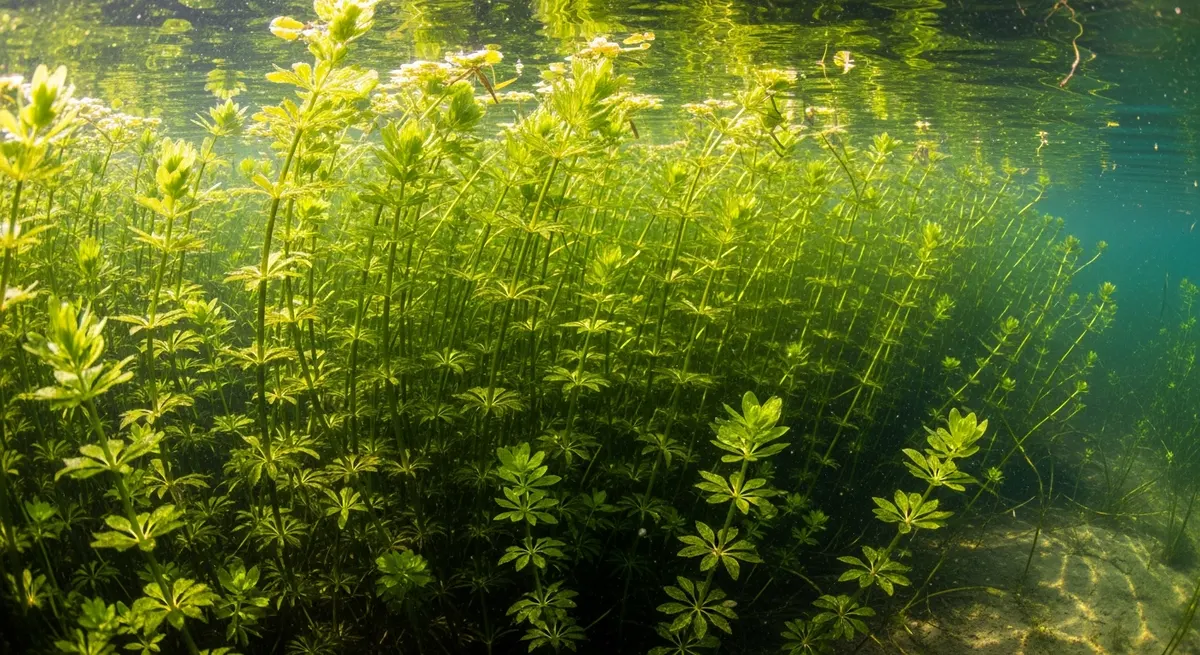
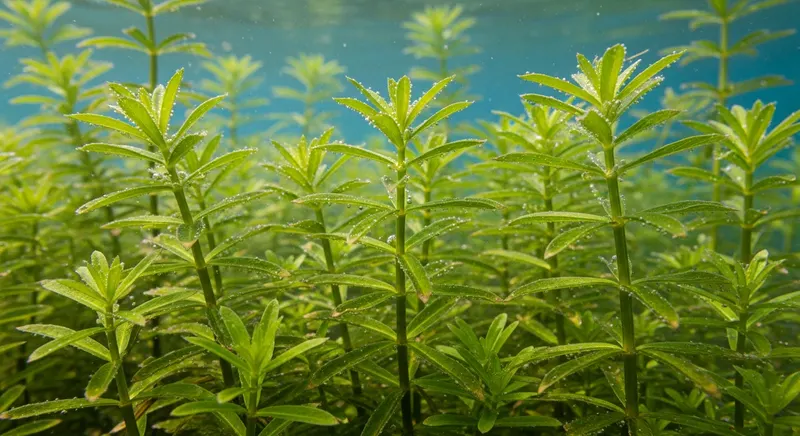
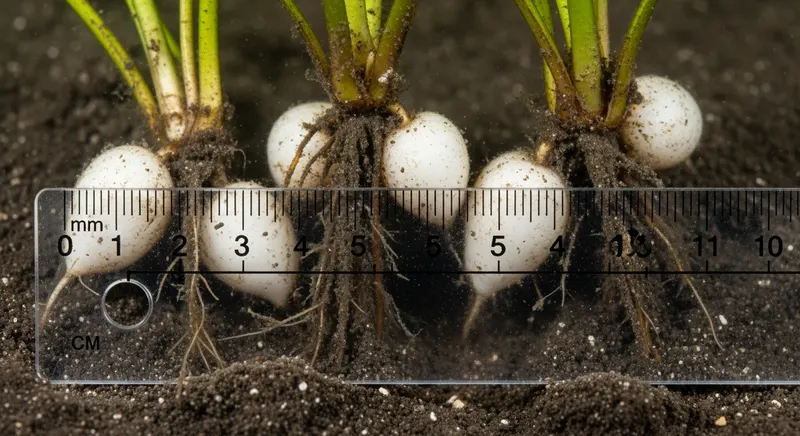
Hydrilla often first appears as dense patches of submerged vegetation in shallow areas (2–6 feet) that grow rapidly through summer. By late summer, heavy infestations form surface mats. Confirmed identification requires examining leaf whorls (4–8 per whorl), serrated leaf margins, midrib tooth on the underside of leaves, and white tubers at the roots. If you suspect hydrilla, contact your state's DNR or a licensed aquatic plant management professional for survey and confirmation. Many states offer free identification services.
Can hydrilla be eradicated from a lake?
Eradication of established hydrilla infestations with large tuber banks is considered effectively impossible with current technology. Tubers persist for 4+ years in sediment and are not reached by herbicide treatment. However, small, recently established infestations (detected within 1–2 years of establishment, before extensive tuber bank development) can sometimes be eradicated with targeted, sustained herbicide treatment. For established populations, the realistic management goal is long-term population suppression — keeping hydrilla at densities where ecological and recreational damage is minimized — rather than eradication.
How often does hydrilla need to be treated?
Management programs vary based on infestation size, water body type, and management goals. Most programs require annual treatment, and many require 2–4 treatments per season during the growing season (May–September in most of the U.S.). Fluridone programs may require only one long-duration application per year if concentration is maintained. Mechanical harvesting typically requires 3–6 treatments per season for navigation access. Long-term (5–20 year) programs are the norm for established populations. Expect ongoing costs of $150–600 per surface acre per treatment, depending on method and infestation density.
Does hydrilla have any ecological benefits?
Hydrilla provides some habitat structure that certain fish (particularly largemouth bass at low to moderate densities) and waterfowl (which eat tubers) use. However, these limited benefits do not offset hydrilla's overall ecological damage — displacement of the native plant communities that provide the same habitat services plus greater biological diversity, severe oxygen depletion, alteration of water quality, disruption of food webs, and economic impacts. The consensus among aquatic ecologists is that hydrilla's costs to native ecosystems far outweigh any benefits it provides.
What is fluridone resistance and does my lake have it?
Fluridone-resistant hydrilla biotypes have been documented in several southeastern states, particularly in Florida. Resistance typically develops after repeated, sub-lethal fluridone exposures (where concentrations were maintained too briefly or at too-low levels to achieve complete control). Resistant populations show little response to fluridone treatment at concentrations that would normally be effective. Resistance testing is available through state agencies and university programs. If fluridone treatment has been applied and hydrilla does not respond after a proper program, resistance testing should be conducted before repeating treatment. Alternative herbicides (ProcellaCOR, endothall) are effective against resistant biotypes.
Are grass carp effective for hydrilla control?
Yes, triploid (sterile) grass carp are effective for hydrilla control when stocked at appropriate densities and permitted by your state. Grass carp eat hydrilla preferentially at densities of approximately 10–25 fish per vegetated acre. They provide long-term vegetative control (fish can live 10–15 years) without repeated annual costs. Limitations: grass carp also eat native plants and can eliminate all aquatic vegetation if overstocked; they are not permitted in all states (contact your state DNR); they do not control tubers effectively; and they are impractical in systems with outlets where fish can escape. They work best in closed ponds and lake systems with control structures at outlets.
How does hydrilla spread to new lakes?
The primary spread vector is contaminated recreational boats. Hydrilla fragments attach to hulls, propellers, trolling motor heads, bilge water, live wells, and trailer hardware. When boats move from infested to uninfested water bodies without complete decontamination, viable hydrilla fragments are introduced. The Clean-Drain-Dry protocol — cleaning all vegetation from the boat and trailer, draining all bilge and live well water, and drying the boat for 5+ days before use in a new water body — is the most important prevention measure. Waterfowl can also transport turions, and flooding events that connect water bodies can spread hydrilla in some situations.
Additional Resources
- Hydrilla Identification Guide
- Hydrilla Control Methods
- Hydrilla Growth Habit
- Management Planning Guides
- Prevention and Early Detection
Whole-Lake Hydrilla Management: Lake Tohopekaliga, FL
Lake Tohopekaliga ("Lake Toho"), a 22,700-acre Central Florida lake, has sustained one of the most intensively managed hydrilla programs in the U.S. since the 1990s. Annual fluridone treatments combined with targeted mechanical harvesting in high-use recreational areas have maintained hydrilla coverage below nuisance thresholds while preserving native submersed vegetation communities in designated littoral zones.
Key outcome: Multi-decade integrated program demonstrates that hydrilla can be managed at acceptable levels in large water bodies, but requires sustained annual investment and coordinated agency cooperation across FDEP, SFWMD, and local fisheries managers.
We used the integrated management framework from this site to structure our Eurasian watermilfoil control program. After three seasons we've reduced lake-wide coverage by 78% on our 340-acre water body.
Susan Thibodeau Lake District Manager, MN · Crow Wing CountyThe seasonal timing guidance has been invaluable. Treating at the right growth stage cut our herbicide costs by nearly 30% without sacrificing efficacy on our county-managed reservoir.
Dale Buchanan County Parks Director, MI · Kalamazoo County