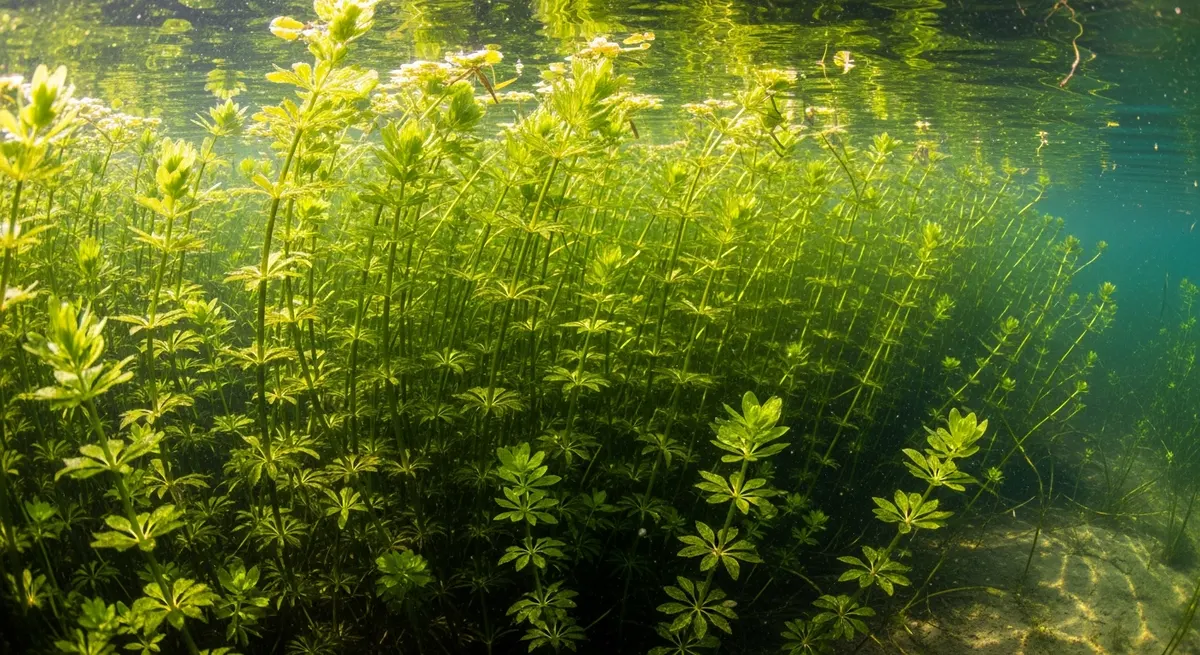
The Biology Behind Hydrilla's Invasive Success
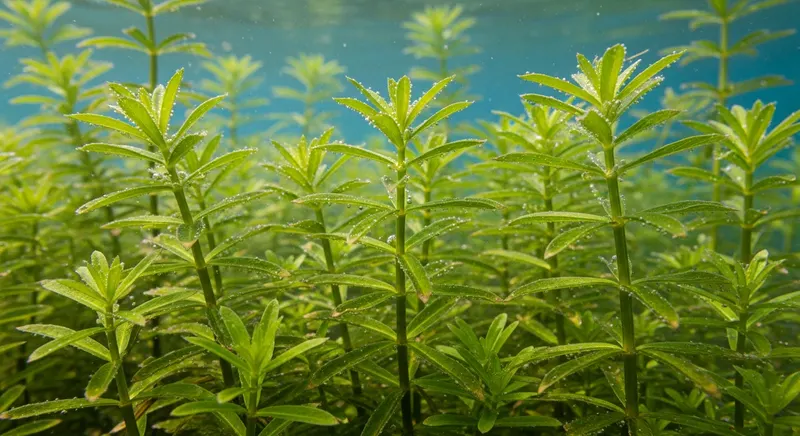
Hydrilla's extraordinary capacity to dominate aquatic ecosystems is rooted in a combination of biological traits that, together, make it nearly impossible to eradicate once established. Understanding how hydrilla grows — its seasonal cycle, propagule production, surface mat development, and physiological adaptations — is the foundation of effective management planning. Every treatment decision must account for hydrilla's growth biology to be effective.
Seasonal Growth Cycle
Spring Germination
Hydrilla begins each growing season in spring, when water temperatures warm above approximately 10–15°C (50–59°F). Tubers and turions that have overwintered in the sediment break dormancy and produce new shoots. These shoots elongate rapidly, drawing on starch reserves stored in the tuber. In southern states (Florida, Georgia, Texas), hydrilla may never fully enter dormancy, maintaining some active growth year-round.
Summer Growth Surge
Stem elongation peaks in summer when water temperatures reach 25–30°C and light is abundant. Growth rates of 1–2.5 cm per day per stem tip are documented in the literature. Hydrilla does not simply grow upward — it branches extensively, filling the entire water column with stems and leaves. A single plant can produce 10,000+ stem tips in a single season under optimal conditions. When stems reach the surface, they form lateral branches along the surface, creating a dense floating mat that blocks light to all submerged life below.
Late Summer: Propagule Production
As days shorten and temperatures begin to fall in late summer (typically August–October, depending on latitude), hydrilla shifts its energy allocation from vegetative growth to propagule production. Two propagule types are produced simultaneously:
- Turions: Compact, dormant buds produced in leaf axils along the stem. Each plant can produce thousands of turions per season. Turions detach from the stem, sink to the sediment, and overwinter in a metabolically dormant state, germinating in spring when temperatures warm.
- Tubers: Starch-filled underground organs produced at the ends of specialized underground stolons. Tuber production begins in July and peaks in September–October. Hydrilla tubers are approximately 5–15 mm in diameter, white or cream-colored, and located 5–30 cm below the sediment surface.
Fall and Winter Dormancy
Above-ground hydrilla biomass decreases dramatically in fall as temperatures drop. In northern states, all above-ground growth may be absent by November. However, tubers and turions in the sediment remain viable and dormant through winter, ready to restart the cycle in spring. In southern states, some above-ground growth typically persists through winter, particularly in spring-fed systems.
Tubers: The Primary Management Challenge
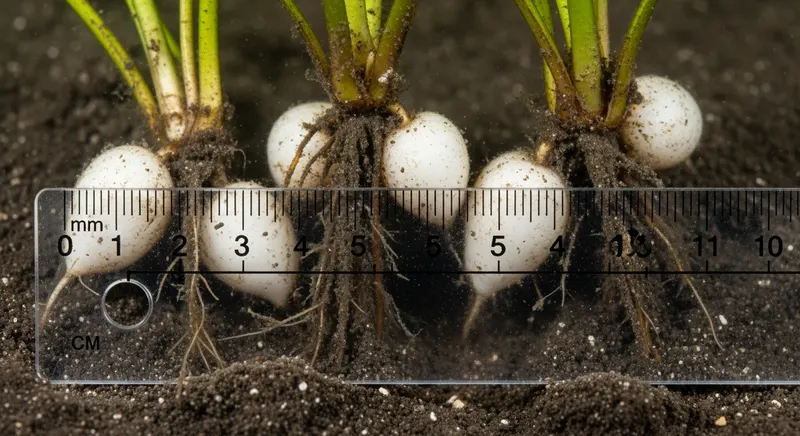
Hydrilla tubers are the most significant management obstacle. They can remain viable in sediment for more than 4 years — some research suggests up to 10 years under certain conditions. Tuber viability persists through: standard herbicide treatment concentrations (because tubers are dormant and do not take up herbicide); drawdown events (if the sediment remains moist); and mechanical harvesting (tubers are below the sediment surface). This persistence is why multi-year management programs are always required for hydrilla — elimination of all above-ground growth in any single season does not prevent re-establishment from the tuber bank.
Depletion of the tuber bank over multiple seasons through repeated early-season treatment, combined with biological control from tuber-feeding weevils (Bagous affinis), is the most effective strategy for long-term tuber bank reduction. This process typically requires 3–10+ years depending on initial tuber density and annual treatment efficacy.
Fragmentation and Spread
Vegetative fragmentation is hydrilla's primary mechanism for colonizing new water bodies. Any stem segment containing at least one node (leaf attachment point) can produce roots and establish a new plant. Fragmentation occurs naturally through current and wave action, and is dramatically accelerated by boating activity. A single boat passing through a hydrilla bed can generate thousands of viable fragments. Most new hydrilla infestations in inland lakes are attributable to contaminated boats or trailers moved between water bodies — particularly bilge water, live wells, and plant fragments caught on hulls, propellers, and trailers. This is why decontamination protocols (Clean, Drain, Dry) are critical for aquatic invasive plant prevention.
Light Adaptation
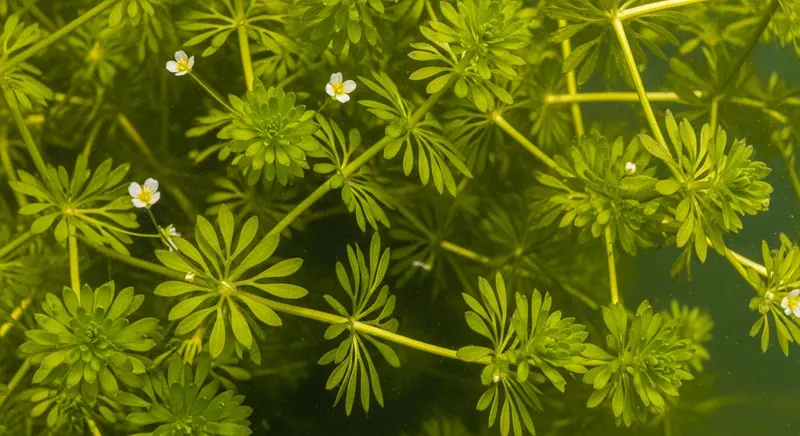
Hydrilla's exceptional low-light tolerance is a key driver of its dominance. While most native submerged plants require 5–15% of surface light for photosynthesis, hydrilla can photosynthesize at light levels below 1% of surface irradiance. This allows hydrilla to: colonize deeper water than natives; shade out all native vegetation from below its surface mat; maintain growth in turbid, nutrient-enriched water where other submerged plants cannot compete; and persist in the low-light conditions created by its own dense canopy. This light adaptation is genetic and is not reduced by management history.
Nutrient Requirements and Eutrophication
Hydrilla thrives in nutrient-enriched water but can also persist in oligotrophic (low-nutrient) conditions. In eutrophic lakes, hydrilla benefits from the elevated phosphorus and nitrogen that stimulate its growth, outcompeting native vegetation for both nutrients and light. In clear, oligotrophic lakes, hydrilla's low-light tolerance allows it to grow to depths where native plants cannot follow, creating monospecific stands in the deeper littoral zone. Nutrient reduction alone is rarely sufficient to control established hydrilla infestations, though it may slow spread and is an important component of integrated management programs. See the full hydrilla control methods guide for management strategies.
References
- Langeland, K.A. (1996). Hydrilla verticillata. Castanea 61(3):293–304.
- Van, T.K., et al. (1978). Effect of light on hydrilla tuber formation. Weed Science 26:663–665.
- Harlan, S.M., et al. (1985). Hydrilla tuber life expectancy. Journal of Aquatic Plant Management 23:25–27.
Whole-Lake Hydrilla Management: Lake Tohopekaliga, FL
Lake Tohopekaliga ("Lake Toho"), a 22,700-acre Central Florida lake, has sustained one of the most intensively managed hydrilla programs in the U.S. since the 1990s. Annual fluridone treatments combined with targeted mechanical harvesting in high-use recreational areas have maintained hydrilla coverage below nuisance thresholds while preserving native submersed vegetation communities in designated littoral zones.
Key outcome: Multi-decade integrated program demonstrates that hydrilla can be managed at acceptable levels in large water bodies, but requires sustained annual investment and coordinated agency cooperation across FDEP, SFWMD, and local fisheries managers.
Running a golf course with three retention ponds means constant weed pressure. The prevention and best management practices guide gave us a systematic approach that replaced our reactive spray schedule.
Paul Esteban Golf Course Superintendent, SC · Myrtle Beach areaAs a lakefront property owner I was completely lost until I found AquaticWeed.org. The permit guidance alone saved me from making costly, potentially illegal treatment mistakes.
Gerald Renfrew Lakefront Landowner, WI · Vilas County