Frequently Asked Questions About Duckweed
What causes a duckweed bloom in my pond?
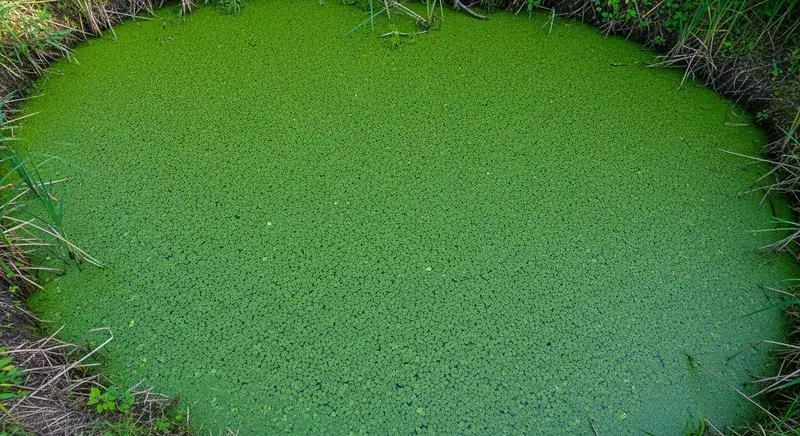
Duckweed blooms are caused by a combination of warm temperatures, high sunlight, and — most importantly — excess nutrients (particularly phosphorus and nitrogen) in the water. Common nutrient sources in residential and agricultural ponds include: fertilizer runoff from lawns and fields, waterfowl and livestock waste, stormwater runoff carrying street and yard debris, and leaking septic systems. Duckweed grows naturally at low densities in most healthy ponds and lakes; it only blooms to nuisance density when nutrients are elevated. This is why nutrient reduction is the most important long-term management action — without addressing the nutrient driver, recurring blooms will continue regardless of how frequently you treat the symptoms.
Is duckweed harmful to fish?
At low to moderate densities, duckweed is not harmful to fish and provides food for waterfowl and invertebrates. At bloom density (near-complete surface coverage), duckweed can cause severe oxygen depletion that kills fish — particularly in warm, shallow ponds during calm weather. The risk is highest in small, shallow, nutrient-rich ponds during hot summer weather, especially in the early morning hours when overnight oxygen depletion is at its maximum. Signs that fish are stressed by low oxygen include gasping at the surface or clustering around aerators. If you observe these signs, add emergency aeration immediately and treat the duckweed bloom. See duckweed and oxygen depletion for detail.
How do I get rid of duckweed permanently?
Permanent elimination of duckweed is only achievable by fundamentally changing the nutrient conditions in your pond. Herbicides, physical removal, and aeration provide control of existing populations but do not prevent regrowth if the underlying nutrients remain elevated. A permanent or near-permanent solution requires: identifying and eliminating phosphorus sources (fertilizer runoff, waterfowl, stormwater); establishing vegetated buffer strips around the pond; and monitoring and treating early-season growth before blooms develop. In ponds with natural wetland connections or significant watershed nutrient inputs that cannot be reduced, ongoing maintenance management (seasonal herbicide treatment or physical removal) is the realistic expectation rather than permanent elimination.
Can ducks and geese eat all my duckweed?
Dabbling ducks (mallards, wood ducks) do consume duckweed and at low waterfowl densities can suppress small populations. However, waterfowl are not a reliable management tool for several reasons: they are attracted to nutrient-rich ponds precisely because those ponds have abundant duckweed, but their waste also adds nutrients that drive more growth; they tend to move between water bodies unpredictably; and at high densities, the nutrient addition from their droppings typically exceeds the duckweed they consume. Waterfowl are part of the bloom problem in many residential ponds, not part of the solution.
Is duckweed the same as algae?
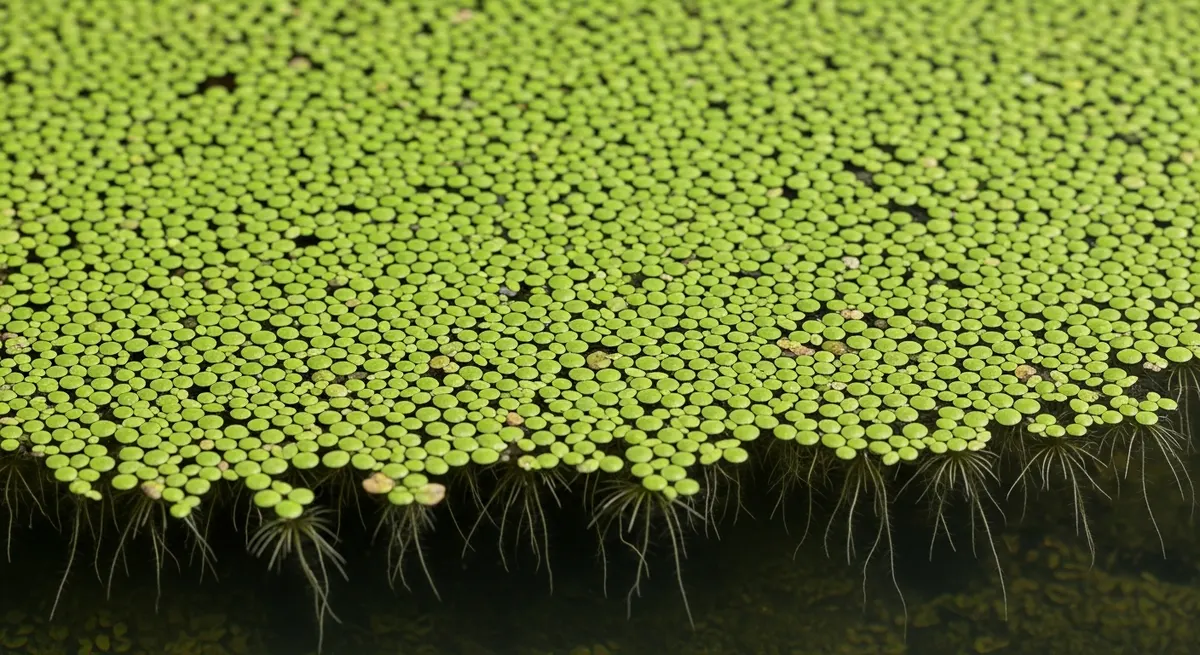
No. Duckweed is a true vascular plant — an extremely miniaturized flowering plant that produces individual fronds with distinct shapes, roots, and (rarely) flowers. Algae are non-plant photosynthetic organisms with fundamentally different cellular structure. They produce green scums, filamentous mats, or water discoloration rather than discrete fronds. The distinction matters for management: duckweed and algae respond to different treatments. See the duckweed vs. algae comparison guide for identification help.
Is duckweed edible?
Yes — duckweed has been consumed as food by humans in Southeast Asia (particularly Thailand, Laos, and Myanmar) for centuries. It is high in protein (25–45% on a dry weight basis) and contains a favorable amino acid profile. Watermeal (Wolffia) is eaten as a vegetable in some countries. Commercial production of duckweed as a food and animal feed supplement is an active research area. However, duckweed from natural water bodies should not be consumed without careful testing for contamination: pond duckweed can accumulate heavy metals, pesticides, and pathogenic bacteria depending on the water body's history and inputs. Duckweed grown in controlled, clean-water systems is a different matter from wild-harvested pond duckweed.
Will grass carp eat duckweed?
Grass carp (Ctenopharyngodon idella) generally do not reliably consume duckweed. They prefer larger-leaved aquatic plants. Some research shows that grass carp will consume duckweed when preferred plants are absent, but they are not an effective duckweed management tool. If duckweed control is your primary management goal, grass carp stocking is not the appropriate tool. Grass carp are most effective for submerged weeds like hydrilla and elodea.
Additional Resources
- Duckweed — Species Authority Page
- Duckweed Control Methods
- Duckweed and Oxygen Depletion
- Management Planning Guides
Whole-Lake Hydrilla Management: Lake Tohopekaliga, FL
Lake Tohopekaliga ("Lake Toho"), a 22,700-acre Central Florida lake, has sustained one of the most intensively managed hydrilla programs in the U.S. since the 1990s. Annual fluridone treatments combined with targeted mechanical harvesting in high-use recreational areas have maintained hydrilla coverage below nuisance thresholds while preserving native submersed vegetation communities in designated littoral zones.
Key outcome: Multi-decade integrated program demonstrates that hydrilla can be managed at acceptable levels in large water bodies, but requires sustained annual investment and coordinated agency cooperation across FDEP, SFWMD, and local fisheries managers.
Running a golf course with three retention ponds means constant weed pressure. The prevention and best management practices guide gave us a systematic approach that replaced our reactive spray schedule.
Paul Esteban Golf Course Superintendent, SC · Myrtle Beach areaAs a lakefront property owner I was completely lost until I found AquaticWeed.org. The permit guidance alone saved me from making costly, potentially illegal treatment mistakes.
Gerald Renfrew Lakefront Landowner, WI · Vilas County