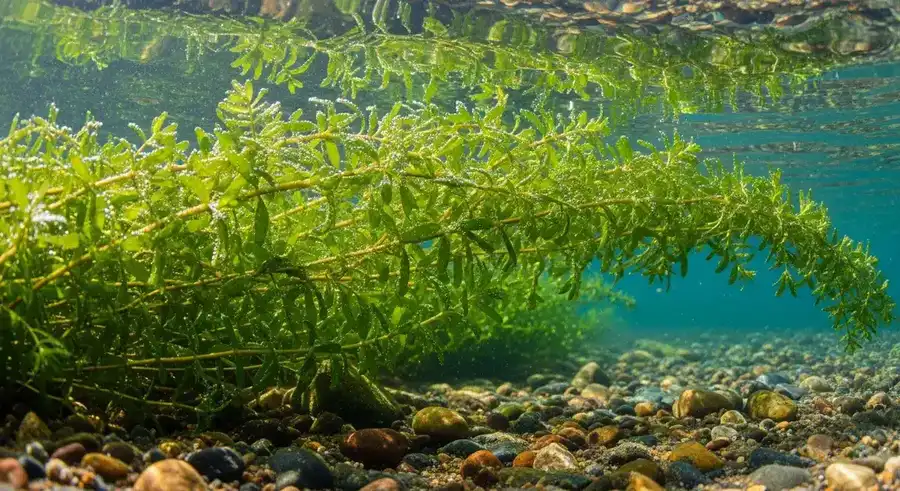
A Native Plant With an Invasive History — Abroad
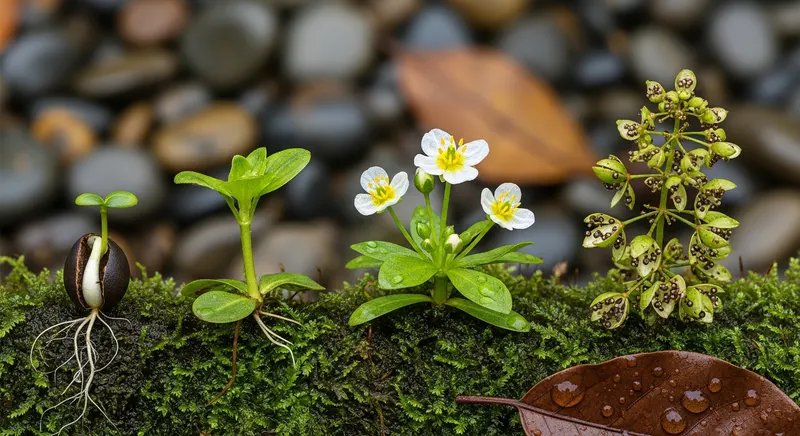
Elodea (Elodea canadensis), commonly called American waterweed or Canadian pondweed, is a native submerged aquatic plant of North America that plays a paradoxical role in global aquatic plant management. In its home range — freshwater lakes, rivers, and ponds across North America — elodea is a native plant with significant ecological value: it provides fish and waterfowl habitat, supports invertebrate communities, contributes to dissolved oxygen production, and is an important component of healthy aquatic plant communities. Yet in Europe, where it was introduced in the 19th century through the botanical trade, elodea became a major invasive plant — documented as a serious management problem in British, German, and Scandinavian water bodies for more than a century before ultimately declining through yet-unexplained natural processes.
This dual identity — native and ecologically valuable in North America, invasive in Europe — is essential context for understanding elodea management decisions. In North American water bodies, elodea management is rarely warranted and must be approached with great caution to avoid harming native habitat. The primary elodea management concern in North America is ensuring that elodea is not confused with hydrilla (Hydrilla verticillata), an invasive lookalike that does require aggressive management in U.S. waters.
Taxonomy and Related Species
The genus Elodea contains approximately 6 species, all native to North and South America. In the United States, two species are common: Elodea canadensis (the most widespread, across most of the contiguous U.S. and Canada) and Elodea nuttallii (Nuttall's waterweed, slightly narrower leaves, common in the eastern U.S.). A third species, Elodea bifoliata, is found in the Pacific Northwest. All three are native and ecologically similar. From a management perspective, all Elodea species are treated as native and are distinguished from the non-native invasive hydrilla by leaf features described in the elodea identification guide.
Hydrilla (Hydrilla verticillata) is sometimes placed in a separate genus from elodea but is in the same family (Hydrocharitaceae). Its superficial resemblance to elodea is the source of the most important management confusion in submerged plant identification across the United States.
Alaska: An Emerging Concern
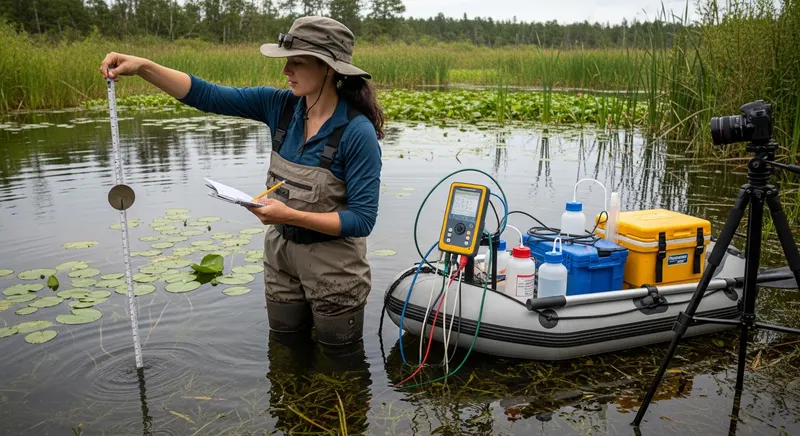
While elodea is native to most of the U.S., it is non-native and invasive in Alaska. Elodea canadensis and E. nuttallii are not native to Alaska and were introduced through aquarium releases, bait bucket dumps, and float plane contamination (floatplanes landing and taking off in infested lakes transport elodea fragments on floats and in water taken up during takeoff). In Alaska, where native aquatic ecosystems are highly sensitive and the salmon-rearing lake and river systems are economically and ecologically critical, elodea is treated as an invasive species and is the subject of active eradication efforts in affected water bodies. Elodea has been documented in Chena Slough, Eyak Lake, and dozens of other Alaska water bodies. The Alaska Department of Fish and Game considers elodea an existential threat to some native fish populations in affected drainages and has invested heavily in early detection and eradication programs.
Ecological Role in North America
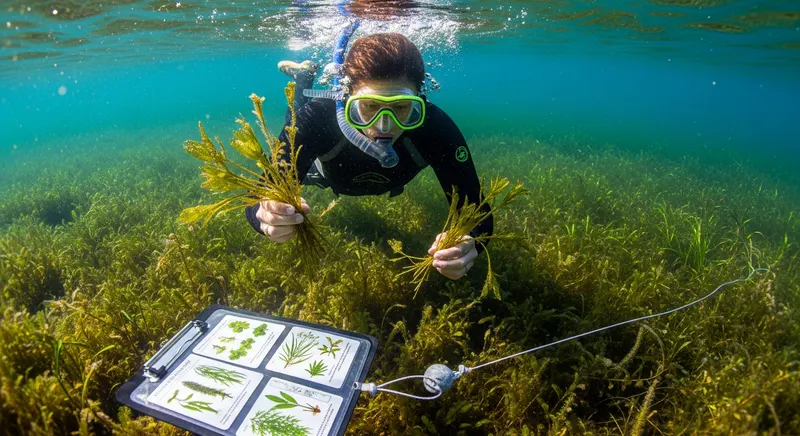
In its native North American range, elodea provides important ecological services. It grows in clear to moderately turbid freshwater lakes, ponds, slow rivers, and streams from British Columbia to Nova Scotia and south to Nebraska, Tennessee, and the Carolinas. Dense elodea beds provide shelter for juvenile fish (particularly bass, bluegill, and crappie), surface nesting habitat for grebes and other aquatic birds, and attachment substrate for invertebrate communities. Elodea produces oxygen through photosynthesis and contributes to the dissolved oxygen regime of shallow lakes. It is consumed by waterfowl (particularly Canada geese and dabbling ducks) and its biomass contributes to nutrient cycling in lake systems. Elodea also plays a role in aquatic carbon cycling — its decomposition contributes organic matter to sediments, and living beds intercept and temporarily store nutrients that would otherwise fuel algal growth. In clear lakes with healthy elodea beds, water transparency is often higher than in comparable lakes without submerged plants, reflecting the combined effects of nutrient uptake, sediment stabilization, and reduced resuspension by plant roots. For identification guidance to distinguish elodea from hydrilla, see the elodea identification guide.
References
- Catling, P.M. & Wojtas, W. (1986). The waterweed flora of Canada. Canadian Journal of Botany 64:1257–1270.
- Cook, C.D.K. & Urmi-König, K. (1985). Revision of the genus Elodea. Aquatic Botany 21:111–156.
- Alaska Department of Fish and Game. Elodea in Alaska. adfg.alaska.gov
Whole-Lake Hydrilla Management: Lake Tohopekaliga, FL
Lake Tohopekaliga ("Lake Toho"), a 22,700-acre Central Florida lake, has sustained one of the most intensively managed hydrilla programs in the U.S. since the 1990s. Annual fluridone treatments combined with targeted mechanical harvesting in high-use recreational areas have maintained hydrilla coverage below nuisance thresholds while preserving native submersed vegetation communities in designated littoral zones.
Key outcome: Multi-decade integrated program demonstrates that hydrilla can be managed at acceptable levels in large water bodies, but requires sustained annual investment and coordinated agency cooperation across FDEP, SFWMD, and local fisheries managers.
The species identification guides on AquaticWeed.org are the most accurate I've used in 18 years of lake management. I now send all my new clients here first before we discuss treatment options.
Robert Harmon Certified Lake Manager, FL · Lake Okeechobee regionWe referenced the biological control pages extensively when evaluating our grass carp stocking proposal. The detail on stocking rates and target species specificity helped us present a credible case to our board.
Karen Ostrowski HOA Lake Committee Chair, MN · Lake Minnetonka association