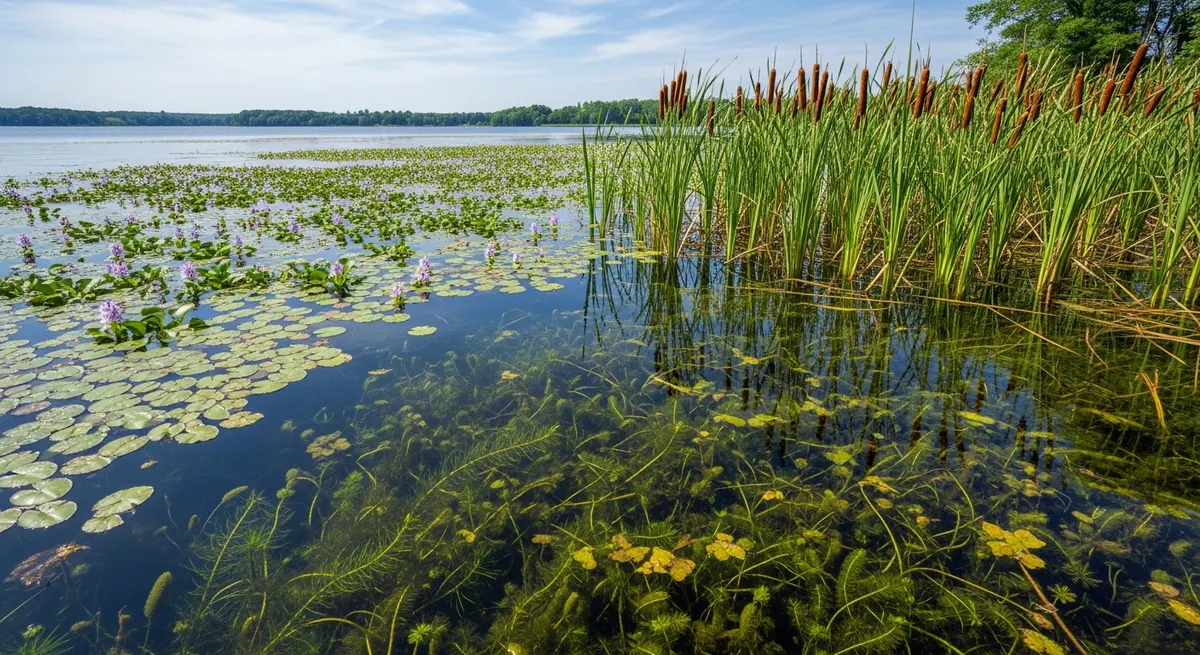
Yes. Aquatic weeds and algae represent one of the most significant operational challenges for irrigation systems that draw from natural water bodies, canals, or reservoirs. Plant fragments, seeds, turions, algae, and dead organic matter from aquatic weed infestations clog screens, filters, drip lines, and pump impellers — increasing maintenance costs and reducing irrigation reliability.
- Aquatic weeds are a significant operational problem for agricultural, golf course, and municipal irrigation users.
- Weed fragments, seeds, and whole plants are drawn into intake structures and pump mechanisms.
- Screening at intake pipes is the first line of defense — screens must be sized for the target species.
- Chemical treatment of source water bodies may be necessary when physical screening is insufficient.
- Water hyacinth and hydrilla are the most frequently cited species causing irrigation system problems.
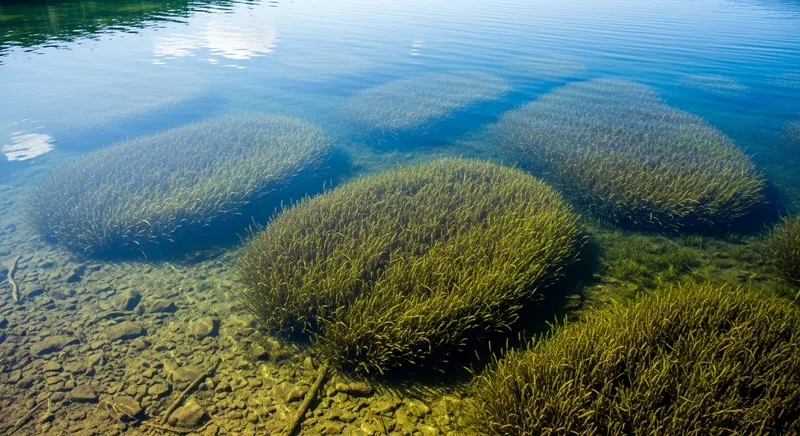
How Aquatic Weeds Damage Irrigation Infrastructure
Agricultural and municipal irrigation systems that draw from natural water bodies, canals, reservoirs, or rivers with significant aquatic weed problems face a range of infrastructure challenges. The specific mechanisms vary by the type of weed present, the infestation density, and the design of the irrigation system.
Intake Screen Clogging
Pump intake screens and traveling screen systems designed to keep debris from entering pump impellers accumulate plant material rapidly when pumping from infested water bodies. During peak weed season, screen cleaning requirements can increase from weekly to daily or more, significantly increasing operational labor costs. In severe cases, screen blockages can cause pump cavitation, overheating, and damage to pump components.
Canal Flow Reduction
Dense aquatic weed beds in irrigation canals and delivery channels physically obstruct water flow, increasing the head loss (friction) in the system and reducing delivery capacity. Delivery canals with 50–80% weed coverage may operate at only 30–50% of their design flow capacity. This forces irrigation managers to run pumps longer (increasing energy costs) or accept reduced delivery volumes to crops. Weed control in irrigation canals is an explicit operational requirement for many water districts and irrigation management entities.
Drip System Emitter Clogging
Micro-irrigation drip systems are particularly vulnerable because emitter orifices are small (typically 0.5–2.0mm) and can be blocked by particles far smaller than those that cause problems in overhead or furrow irrigation. Algae, biofilm, plant fragments, and organic debris from weed-infested source water all represent clogging risks for drip emitters. Emitter clogging in drip systems is often irreversible, requiring emitter replacement at significant cost. Chemical control for canals →
Integrated Management Approaches for Irrigation Water Quality
The most effective approach to managing aquatic weeds in irrigation water involves integration at multiple points in the water supply chain. Source water management — controlling weeds in the water body, reservoir, or canal before they reach the intake — is the most cost-effective intervention. Filtration and treatment at the intake point provides a second line of defense. System design choices (appropriate screen sizes, filter types, chlorination systems) determine system resilience to residual organic load.
Agricultural extensions in California, Florida, and Texas provide specific guidance for managing aquatic weed impacts on irrigation infrastructure in their respective regional contexts. Consulting with a licensed aquatic pest management professional about source water management, combined with an irrigation engineer's assessment of appropriate filtration specifications, typically produces the most cost-effective integrated solution.
Sources & Scientific References
- Bucks, D.A. et al. (1979). Filtration and emission devices — plugging and water treatment. ASAE Publication.
- Van der Laan, M. et al. (2012). Clogging of micro-irrigation emitters by plant material. Irrigation Science, 30(4), 289–298.
- California Department of Water Resources. Delta aquatic weeds and water delivery. DWR technical reports.
Frequently Asked Questions
How do aquatic weeds clog irrigation systems?
Aquatic weed fragments, seeds, turions, algae mats, and dead organic debris enter irrigation intake systems when water is drawn from natural water bodies, canals, or reservoirs with weed infestations. Once inside the system, this material clogs intake screens, sand filters, and emitters — particularly micro-irrigation drip systems with emitter openings of 1–2mm. Biological growth (algae, biofilms) can also develop inside drip lines under certain conditions.
What is the best way to prevent irrigation clogging from aquatic weeds?
The most effective prevention strategy combines source water management (control aquatic weeds and algae in the source water body) with appropriate filtration at the intake. Rotating drum screens, sand media filters, and disk filters at the intake point can physically exclude most plant material. Maintaining adequate chlorine or other disinfection in drip systems prevents biological growth inside lines. Regular backflushing of sand media filters removes accumulated organic material.
Can hydrilla clog irrigation canals?
Yes. Hydrilla is one of the most problematic weed species for irrigation infrastructure. Dense hydrilla beds in irrigation canals significantly reduce water flow rates, requiring more pump energy to deliver the same volume of water. Fragment and turion accumulation at pump intakes and screens requires frequent manual cleaning. In California's Sacramento-San Joaquin Delta, Brazilian waterweed and water hyacinth present similar infrastructure challenges for the state's water supply and agricultural irrigation systems.
Are there water quality limits for drip irrigation?
Yes. Most drip irrigation equipment manufacturers specify maximum water quality parameters for reliable emitter function: maximum total suspended solids (TSS), maximum algae and biological load, pH range, and sometimes maximum iron and manganese (which can form precipitates that clog emitters). Water drawn from eutrophic water bodies with significant aquatic weed and algae problems often exceeds these limits without treatment, necessitating filtration and/or treatment to meet system requirements.
Key Takeaways
- Aquatic weeds are a significant operational problem for agricultural, golf course, and municipal irrigation users.
- Weed fragments, seeds, and whole plants are drawn into intake structures and pump mechanisms.
- Screening at intake pipes is the first line of defense — screens must be sized for the target species.
- Chemical treatment of source water bodies may be necessary when physical screening is insufficient.
- Water hyacinth and hydrilla are the most frequently cited species causing irrigation system problems.
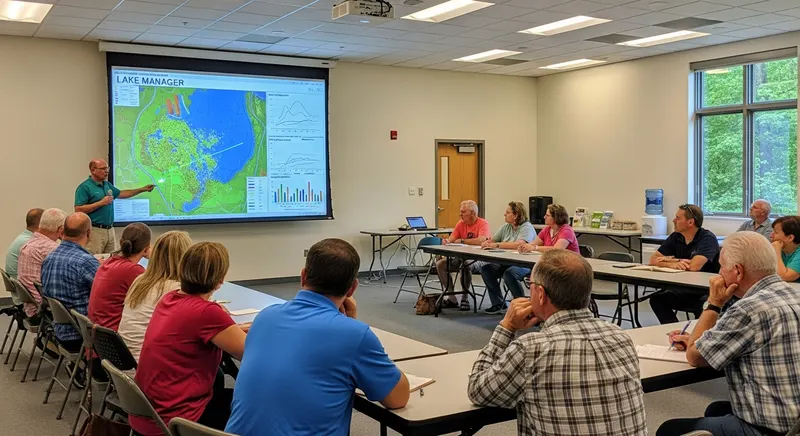
Ten-Year Lake Management Plan: Lake Wingra, WI
Lake Wingra, a 342-acre urban lake in Madison, WI, developed a comprehensive 10-year management plan coordinating the City of Madison, University of Wisconsin, and adjacent neighborhood associations. The plan addressed Eurasian watermilfoil, curly-leaf pondweed, and purple loosestrife through an integrated approach including targeted herbicide treatment, mechanical harvesting, native plant restoration, and public education.
Key outcome: The structured multi-agency planning process secured consistent funding across multiple budget cycles, a key advantage over ad hoc management. Native plant restoration efforts showed measurable progress in designated restoration zones within three years of initiation.
As a lakefront property owner I was completely lost until I found AquaticWeed.org. The permit guidance alone saved me from making costly, potentially illegal treatment mistakes.
Gerald Renfrew Lakefront Landowner, WI · Vilas CountyI've managed aquatic vegetation on Texas reservoirs for 15 years. The water hyacinth control content here is the most up-to-date, practical guidance I've found anywhere online.
Travis McKinley Commercial Fishing Guide, TX · Lake Travis / Lake Austin