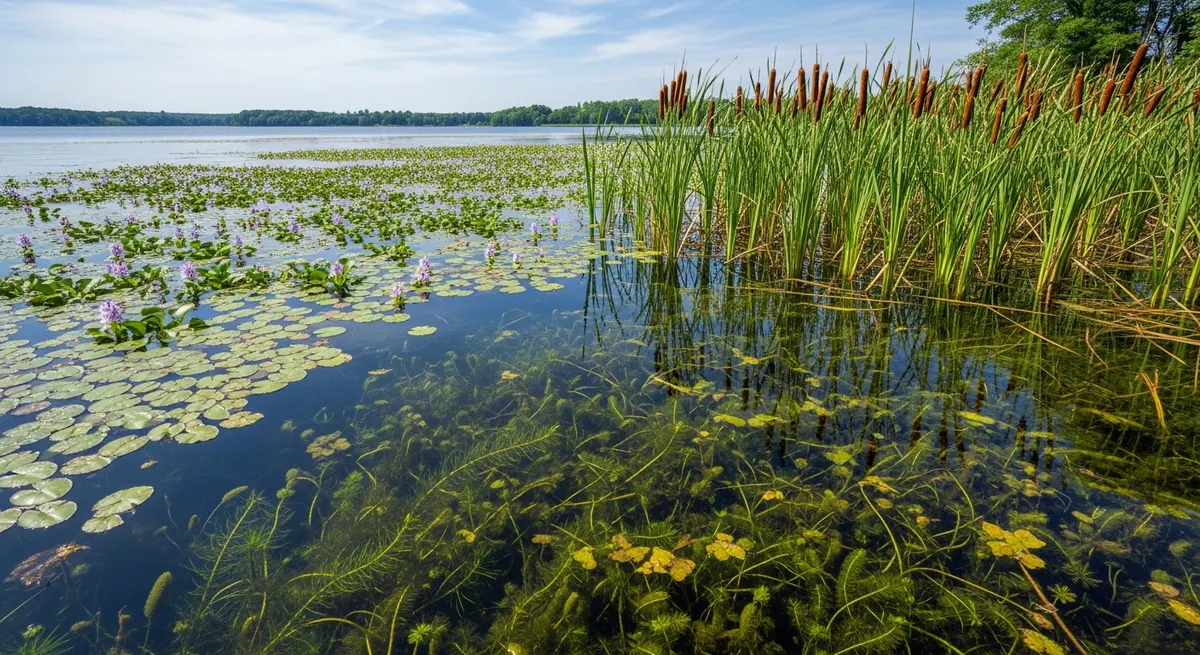
Dense aquatic weed infestations alter virtually every measurable aspect of water quality: dissolved oxygen (causing dangerous daily swings), pH (fluctuating dramatically with photosynthesis and respiration), water temperature (trapping heat under surface mats), turbidity (reducing light penetration), and nutrient cycling (releasing stored nutrients during decomposition). These changes cascade through the entire ecosystem.
- Dense aquatic weed growth causes wild daily swings in pH, dissolved oxygen, and temperature that stress aquatic organisms.
- Weed die-offs release stored nutrients in concentrated pulses that can trigger algal blooms.
- Thick floating mats suppress wind-driven circulation, causing thermal stratification and anoxic bottom zones.
- Photosynthesis by dense vegetation can push afternoon pH above 9.5 — high enough to mobilize toxic ammonia.
- Nutrient reduction is the most durable water quality improvement, though weed removal provides short-term relief.
Dissolved Oxygen Dynamics
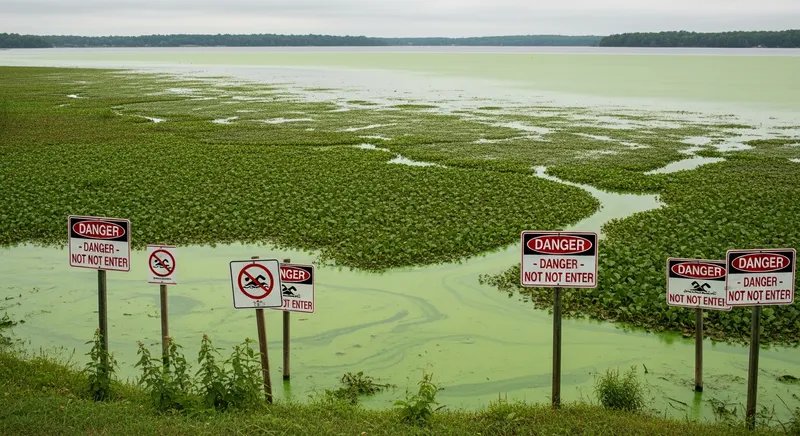
The most directly impactful water quality effect of dense aquatic weeds is the extreme daily cycle of dissolved oxygen they create. Dense plant beds produce more oxygen during photosynthesis than the water can hold, driving supersaturation during afternoon peak hours. The same beds then consume oxygen rapidly overnight through respiration, crashing dissolved oxygen to potentially lethal levels before dawn. This daily cycle stresses fish and invertebrates even when fatal oxygen crashes do not occur, reducing growth rates, suppressing immune function, and degrading reproductive success. Full dissolved oxygen guide →
pH and Alkalinity Shifts
Photosynthesis consumes carbon dioxide (CO₂) from the water. CO₂ is in equilibrium with carbonic acid, which buffers water pH — when CO₂ is removed, pH rises. In heavily vegetated systems, afternoon pH values of 9.0–10.0 are not unusual, compared to natural baseline values of 7.0–8.0. At pH above 9.5, ammonia (NH₃) — which exists in water primarily as ionized ammonium (NH₄⁺) — shifts toward its toxic un-ionized form. This means that water quality conditions that seem moderate individually (moderate ammonia concentration, moderate pH) can combine to produce toxic conditions in heavily vegetated systems during peak photosynthesis hours. At night, CO₂ respiration drives pH back down, creating a 2–3 unit daily pH swing that imposes chronic stress on aquatic organisms.
Temperature Effects
Dense surface-covering vegetation dramatically alters lake thermal dynamics. Under thick mats of water hyacinth or giant salvinia, water temperatures can be 5–10°F above open-water temperatures. This has multiple effects: it increases metabolic rates of all organisms (accelerating oxygen demand), shifts competitive balances toward warm-water-adapted invasive species, and suppresses the growth of native cool-water species. Submerged weed canopies alter vertical temperature gradients, potentially eliminating the thermocline structure that provides cool, oxygenated refugia for temperature-sensitive fish during summer. Ecological impact hub →
Nutrient Cycling and Internal Loading
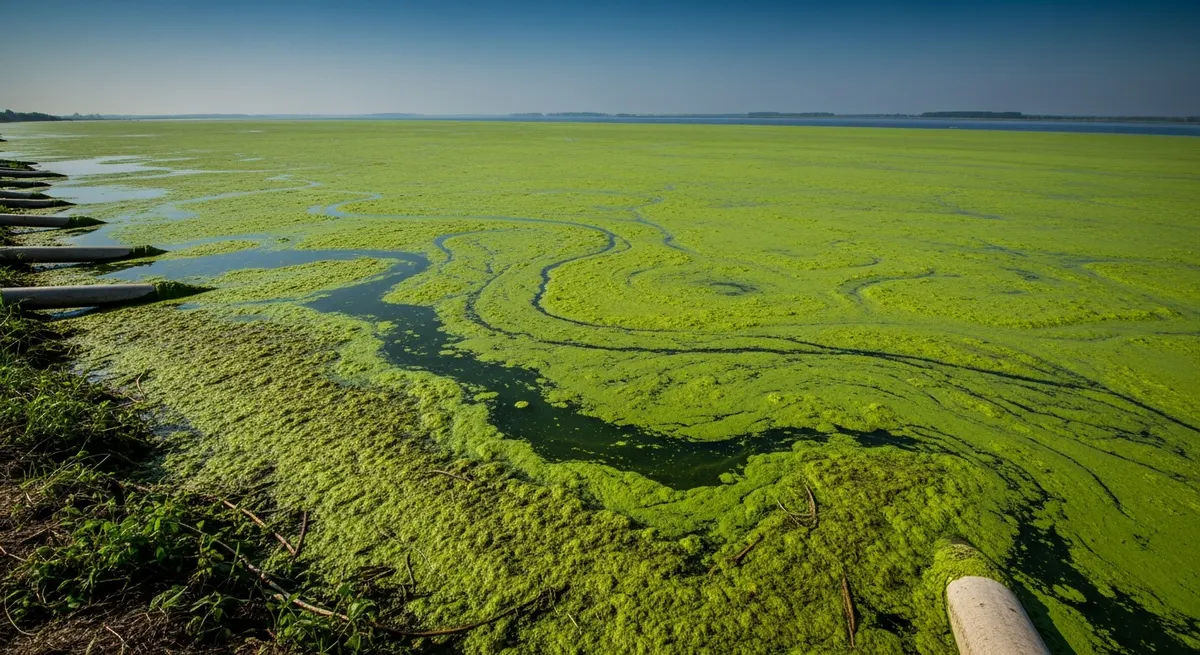
Aquatic vegetation temporarily stores significant quantities of phosphorus and nitrogen in plant tissue. While the plants are growing, this represents a form of nutrient sequestration. When the plants die — either naturally in fall or following herbicide treatment — decomposition releases the stored nutrients back into the water column in concentrated pulses. This nutrient release can trigger algal blooms, which further degrade water quality. In systems where external nutrient loading has been reduced, weed die-offs can actually drive internal nutrient loading that sustains eutrophication conditions for years after external sources are addressed. Nutrient loading and eutrophication →
Sources & Scientific References
- Cattaneo, A. & Kalff, J. (1980). The relative contribution of aquatic macrophytes and their epiphytes to the production of macrophyte beds. Limnology and Oceanography, 25(2), 280–289.
- Scheffer, M. et al. (1993). Alternative stable states in freshwater systems. Trends in Ecology & Evolution, 8(8), 275–279.
- Wetzel, R.G. (2001). Limnology: Lake and River Ecosystems. Academic Press.
Frequently Asked Questions
How do aquatic weeds affect pH?
Aquatic plants alter water pH through photosynthesis and respiration. During active photosynthesis, plants remove carbon dioxide from the water, raising pH — pH can reach 9–10 in heavily vegetated systems during peak afternoon hours. At night, respiratory CO2 release drops pH significantly. These daily pH swings (sometimes 2–3 pH units) stress fish and invertebrates, affect nutrient availability, and can trigger ammonia toxicity events in warm, alkaline conditions.
Do aquatic weeds make water cloudy?
This is complex. Dense aquatic weed beds can both increase and decrease water clarity. Living plant beds may reduce turbidity by trapping fine sediment and reducing wave action. However, dying and decomposing vegetation releases fine organic particles, coloring water green-brown. Algal blooms fueled by nutrients released from decomposing weeds dramatically reduce clarity. In most heavily vegetated systems, the overall trajectory is toward reduced clarity over time.
Do aquatic weeds warm water?
Surface-covering floating mats (water hyacinth, giant salvinia) trap solar energy and can significantly warm the water beneath and within the mat — sometimes 5–10°F warmer than open water. This thermal effect creates conditions favorable for warm-water invasive species and harmful bacteria, including cyanobacteria (blue-green algae). Submerged weed canopies intercept light and alter thermal stratification patterns.
Can aquatic weeds contaminate drinking water?
Aquatic weeds can indirectly affect drinking water quality in water supply reservoirs by promoting cyanobacterial (blue-green algae) blooms — which produce toxins that require expensive treatment to remove. Dense weed beds can also clog water intake screens, increase demand for filtration, and contribute to taste and odor problems. Certain invasive weed species in water supply reservoirs represent a significant water utility management challenge.
Key Takeaways
- Dense aquatic weed growth causes wild daily swings in pH, dissolved oxygen, and temperature that stress aquatic organisms.
- Weed die-offs release stored nutrients in concentrated pulses that can trigger algal blooms.
- Thick floating mats suppress wind-driven circulation, causing thermal stratification and anoxic bottom zones.
- Photosynthesis by dense vegetation can push afternoon pH above 9.5 — high enough to mobilize toxic ammonia.
- Nutrient reduction is the most durable water quality improvement, though weed removal provides short-term relief.
Ten-Year Lake Management Plan: Lake Wingra, WI
Lake Wingra, a 342-acre urban lake in Madison, WI, developed a comprehensive 10-year management plan coordinating the City of Madison, University of Wisconsin, and adjacent neighborhood associations. The plan addressed Eurasian watermilfoil, curly-leaf pondweed, and purple loosestrife through an integrated approach including targeted herbicide treatment, mechanical harvesting, native plant restoration, and public education.
Key outcome: The structured multi-agency planning process secured consistent funding across multiple budget cycles, a key advantage over ad hoc management. Native plant restoration efforts showed measurable progress in designated restoration zones within three years of initiation.
I've managed aquatic vegetation on Texas reservoirs for 15 years. The water hyacinth control content here is the most up-to-date, practical guidance I've found anywhere online.
Travis McKinley Commercial Fishing Guide, TX · Lake Travis / Lake AustinThe species identification guides on AquaticWeed.org are the most accurate I've used in 18 years of lake management. I now send all my new clients here first before we discuss treatment options.
Robert Harmon Certified Lake Manager, FL · Lake Okeechobee region